Unlocking New Nighttime Cultural and Tourism Traffic: The Creative Awakening and Technological Empowerment Path of the Lighting Industry
- Share
- From
- www.lightingchina.com.cn
- Issue Time
- Jan 19,2026
Summary
As night falls and drapes its colors over cultural and tourism landscapes, lighting has evolved beyond its simple function of "illuminating spaces".
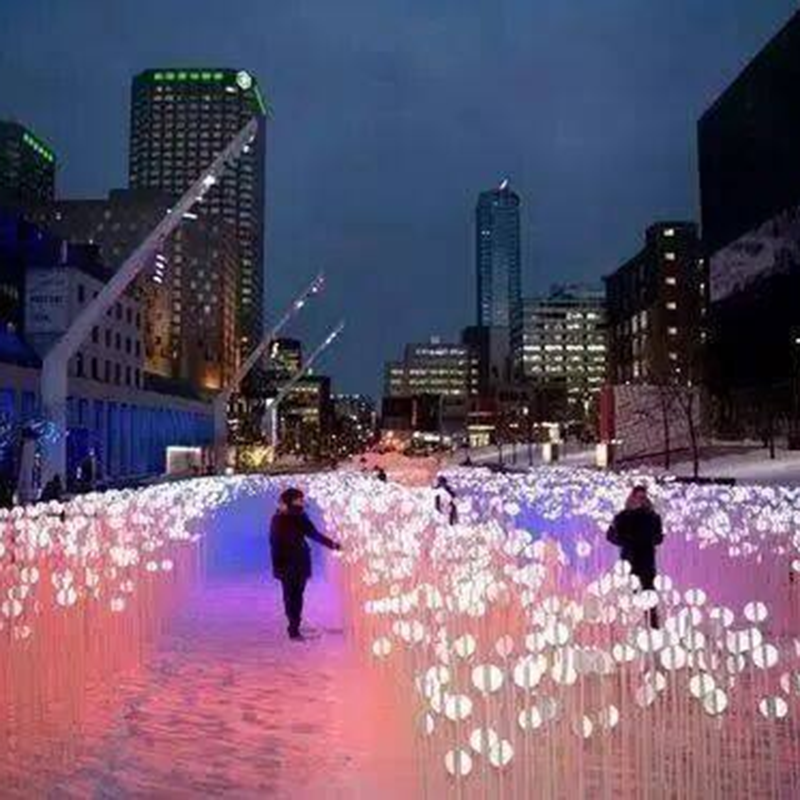
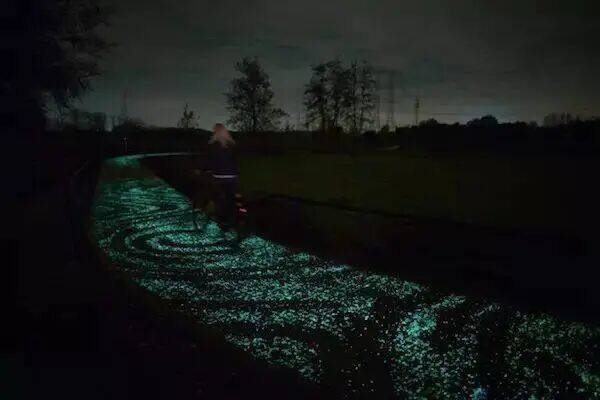
As night falls and drapes its colors over cultural and tourism landscapes, lighting has evolved beyond its simple function of "illuminating spaces". From the light-shadow cats weaving through the streets of Rome to the glowing bike lanes inspired by Van Gogh in the Netherlands, from the real-time transforming valley flowers in the canyon to the lighting mysteries in bamboo forests changing with sound, a series of examples outline a new transformative landscape in the cultural tourism lighting industry—where creativity serves as the soul and technology as the framework. Lighting has become the core medium for storytelling and an essential emotional connector, pushing the industry’s evolution from "function fulfillment" to "value creation."
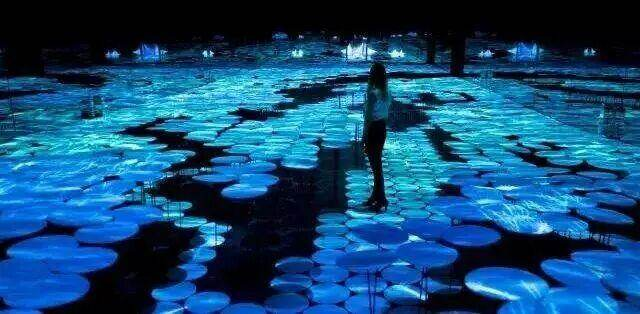
Ⅰ. Technological Integration: Breaking Lighting Boundaries and Expanding Expressive Dimensions
The innovation in cultural tourism lighting is essentially the deep collaboration between lighting technology and technologies from various other fields, allowing light to break free from physical constraints and possess richer forms of expression. In the "Land of Fireflies," LED lights are encapsulated in transparent capsules and supported by ultra-fine invisible wires, naturally swaying with the breeze to simulate the graceful flight of fireflies.
This design breaks away from the traditional "fixed installation" concept of lighting, combining the low power consumption and small size advantages of LEDs with materials technology, upgrading lighting from "point-source illumination" to "dynamic scene simulation," achieving a precise reproduction and artistic presentation of natural ecosystems.
Additionally, the application of technologies such as holographic projection, sound-light coordination, and real-time data visualization, like the "River Valley Flower," which generates dynamic light-shadow flowers based on stream data, makes lighting no longer a static visual decoration. Instead, it becomes a "living landscape" that responds to the environment and grows dynamically, breaking the boundaries between lighting and nature, as well as between technology and art.
II. Experience Upgrade: From "Passive Watching" to "Active Immersion," Lighting Builds Emotional Connections
In the era of independent travel, tourists' demands for cultural and tourism experiences have shifted from "check-in sightseeing" to "deep participation," and lighting has become the key tool to achieve this transformation. The "Sounding Bamboo Forest" creates a lighting installation based on a bamboo forest prototype, where the sound of footsteps and conversations triggers real-time changes in the lighting color.
This interaction design allows lighting to become a medium for dialogue between people and the environment. It transforms tourists from "observers" into "participants," turning static scenic spaces into emotionally engaging and interactive environments, significantly enhancing the fun and memorability of the experience.
Ⅲ. Industry Insights: Anchoring Direction with Creativity, Defining the Future with Value
A series of successful cases offers multiple insights for the development of the lighting industry.
First and foremost, creativity is the core competitive advantage of cultural and tourism lighting. Whether it is "Valley Flowers," which projects light and shadow onto canyon rivers, or "The Starry Night Road," which recreates a Van Gogh masterpiece, the essence lies in using distinctive creativity as the entry point to deeply integrate lighting with local culture, artistic IPs, and natural landscapes.
This means lighting companies can no longer remain confined to a "product supply" mindset; instead, they must transform into "creative solution providers," uncovering the cultural connotations and emotional value of each scene to endow lighting with richer vitality and lasting appeal.
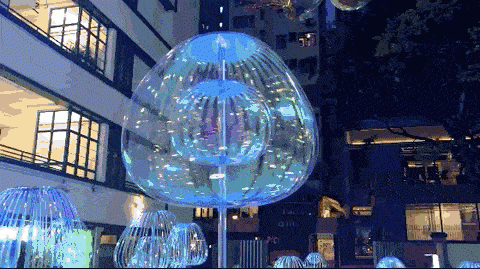
Secondly, interaction and immersion are the core directions for upgrading experiences. The integration of night lighting with bubbles in "泡夏泡夏" and the interaction between visitors, colored balloons, and lights in the "Floating Christmas Pavilion" prove that "participatory and perceptible" lighting design can significantly enhance the attractiveness of a scene. The lighting industry needs to further explore the combination of sensor technology, artificial intelligence, and lighting, enabling lights to respond more accurately to human behavior and emotions, creating a healthy interactive ecosystem of "people-light-scenario."
Finally, sustainability is an inevitable requirement for the industry’s development. The energy-saving characteristics of LED technology and the use of clean energy sources such as solar power enable cultural and tourism lighting to pursue innovation while achieving green and low-carbon goals. In the future, the lighting industry should continue to focus on the development and application of energy-efficient technologies and environmentally friendly materials, promoting the development of cultural and tourism lighting in a direction of "low energy consumption, high experience, and sustainability," achieving a balance between commercial and social value.
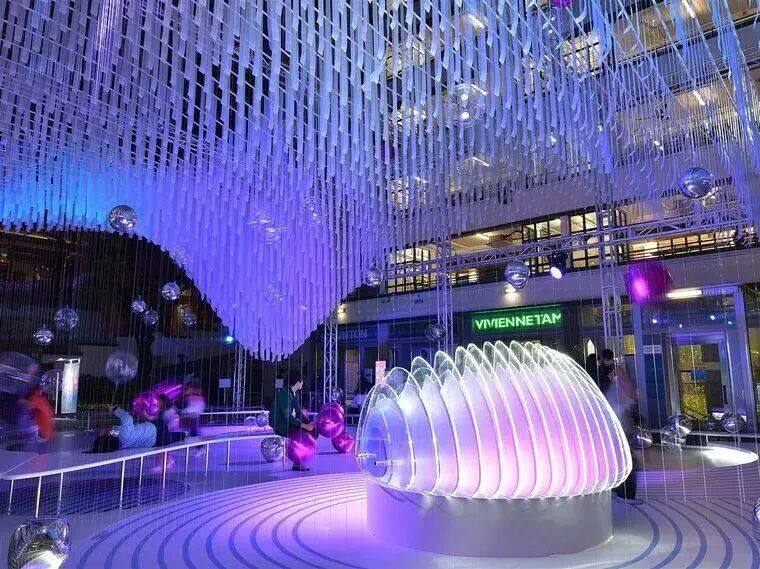
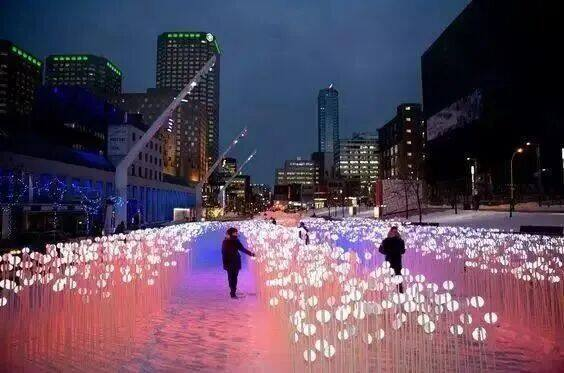
From the street lights of Rome to the coastal illusions of Quebec, these cultural tourism lighting cases not only offer visitors a stunning visual experience but also send a clear message to the industry: the future of cultural tourism lighting lies in creativity as the guide, technology as the support, experience as the core, and sustainability as the foundation.
Lighting should become a bridge connecting culture, nature, and the human heart. The lighting industry must actively embrace this transformation, shifting from product thinking to scene thinking, from functional fulfillment to value creation, in order to seize the opportunity in the booming cultural tourism industry and write a new chapter in using light and shadow to empower a beautiful life.